
There is no single service life for every hydraulic hose. Working conditions, the particular assembly and the equipment manufacturer’s instructions matter. Age also counts, including time in storage before installation. A hose that looks sound may still have reached an applicable replacement limit.
For a maintenance manager planning replacements, the useful question is which limit applies to each assembly. A date gives part of the answer. Its duty, history and condition provide the rest.
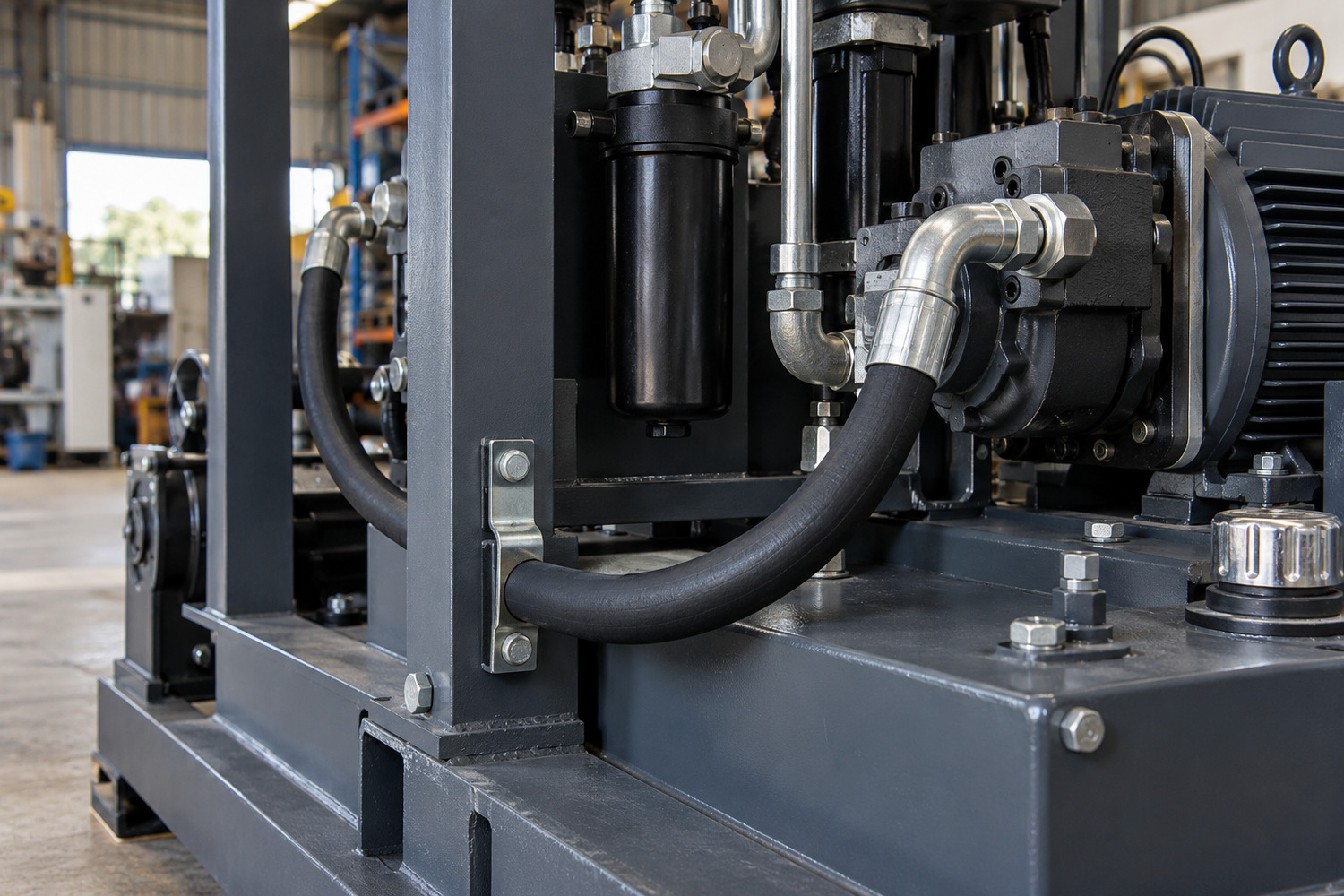
Service life is the time an assembly spends working. The British Fluid Power Association’s hose guidance says the variables in service make that life difficult to predict. Heat, pressure cycling and the surrounding environment can change the outcome, even between hoses on the same machine.
Start with the instructions for the equipment and hose assembly. WorkSafe Victoria’s Plant Compliance Code recommends following designer and manufacturer information for inspection and maintenance. If that information is absent, it calls for specifications developed by a suitably qualified person. An owner does not replace that expertise by choosing a convenient age.
A replacement schedule therefore needs a documented basis. A general age quoted online cannot establish that a particular line is fit to keep working. Equally, reaching a date is a reason to act when that date is part of the applicable maintenance requirements.
Heat can shorten hose life. The fluid temperature and nearby hot components both matter, and suitable operating limits depend on the hose and fluid. The assessment needs the actual operating conditions, rather than an assumed rate of ageing.
Outdoor exposure belongs in the assessment too. The BFPA identifies ultraviolet light, ozone and other environmental factors among influences on service life. For plant stored in Campbellfield yards, note whether a line is exposed or sheltered. Location alone does not establish its condition or remaining life.
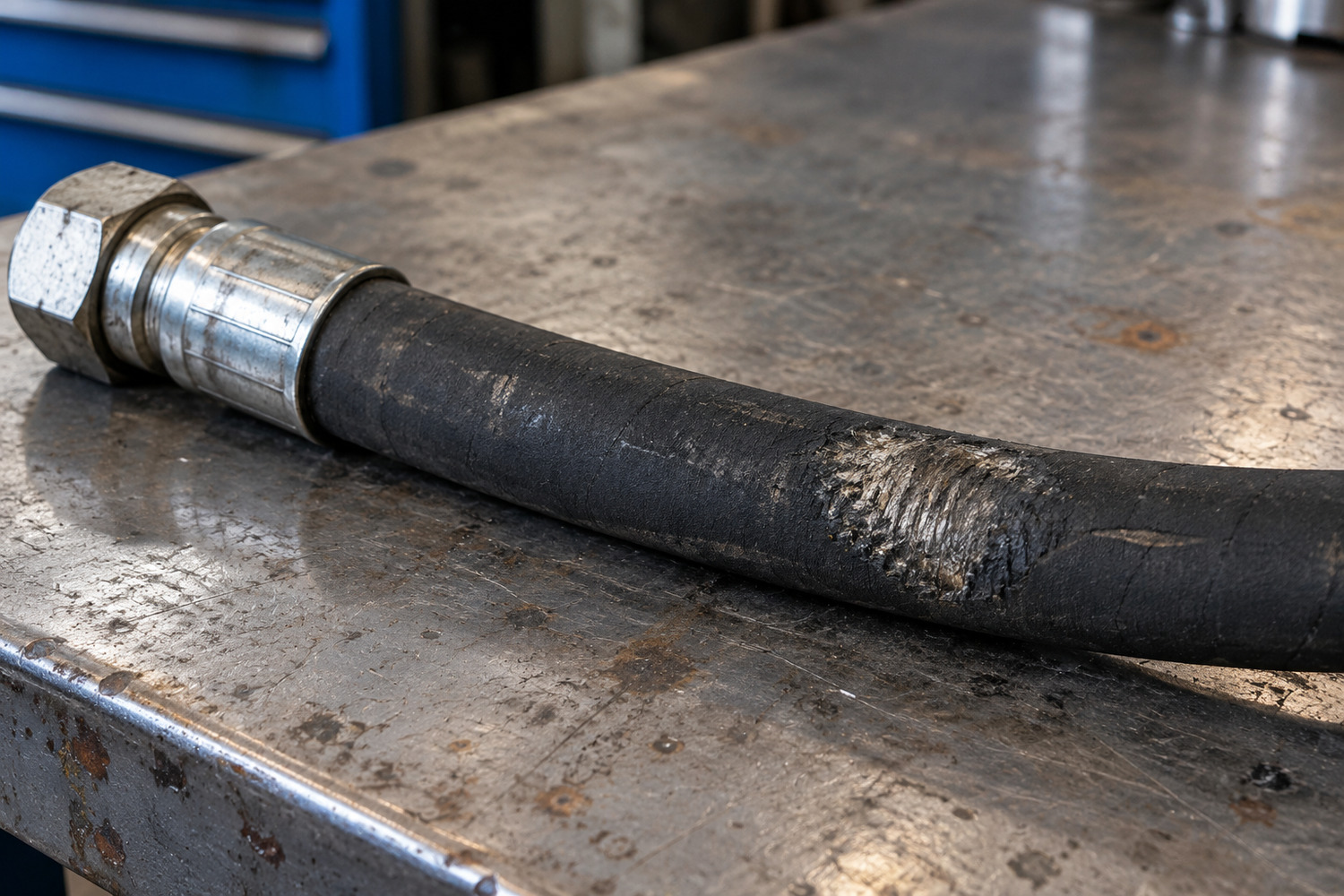
Abrasion can damage a hose where it rubs against another part. Preventing that contact belongs with hydraulic hose routing and support, rather than a calendar-based replacement rule.
Repeated pressure changes and movement are further considerations. A lightly used line and one exposed to demanding cycles need not share a replacement plan simply because they were fitted together. Past failures can help identify a pattern, but they do not prove that another hose will last the same time.
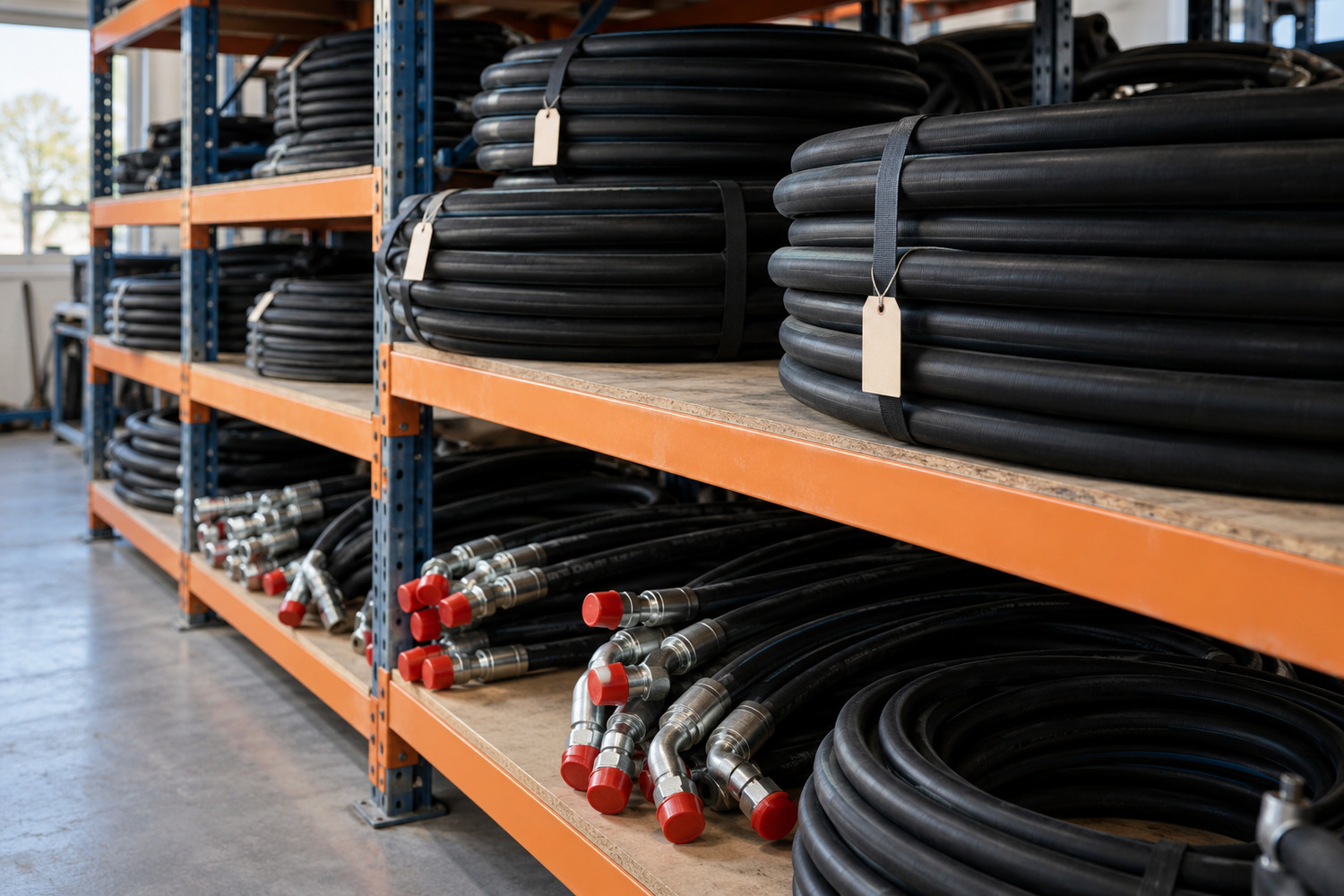
Storage age and working age answer different questions. Unused hose can deteriorate, and fitting it later does not make it newly manufactured. Keep the relevant dates separate:
Storage guidance differs between standards, materials and products. Follow the instructions applicable to the actual hose rather than selecting the longest period found in a general guide. Keep stock identifiable and rotate it by manufacture date, with storage conditions checked as well as age.
| Date or period | What it tells you | What it does not establish |
|---|---|---|
| Bulk hose manufacture | How old the hose material is | When fittings were attached |
| Assembly manufacture | When the complete assembly was made | When it entered service |
| Installation and service history | When and where it started working | A guaranteed remaining life |
A shelf-life allowance is not permission to run an installed hose for that many years. Nor does an acceptable storage date remove the need for assessment before use. If the history is missing, record that uncertainty rather than treating unused appearance as proof.

Condition checks and age limits can work together. Condition-based decisions depend on competent examination and the ability to detect relevant deterioration. They cannot promise every hose’s full life or rule out failure between checks. The signs of wear and inspection planning belong with proactive hydraulic maintenance.
An age limit sets a latest replacement point under the requirements being followed. It does not give a damaged hose permission to stay until that date. Nor does an age-based policy remove the need for inspection.
The six-year figure sometimes quoted for hoses needs context. A published manufacturer’s handbook summarises DIN 20066 as allowing no more than four years for bulk hose before assembly, with assembly service life including storage recommended not to exceed six years. That assembly period includes up to two years in storage; it is not six years added at installation. This German guidance is not a universal Australian replacement schedule.
For a fleet plan, start with applicable instructions, then have a competent person consider duty and the consequence of failure. Use condition checks alongside any required age limit. Do not assume an absence of visible damage justifies extending it.

Check the manufacturer’s marking and the assembly records. A batch code may need the manufacturer’s interpretation; it is not automatically a readable date. Distinguish hose manufacture, assembly and installation dates. If markings are illegible and records cannot establish age, record it as unknown and seek a competent assessment. Do not substitute a guessed date or the machine’s age.
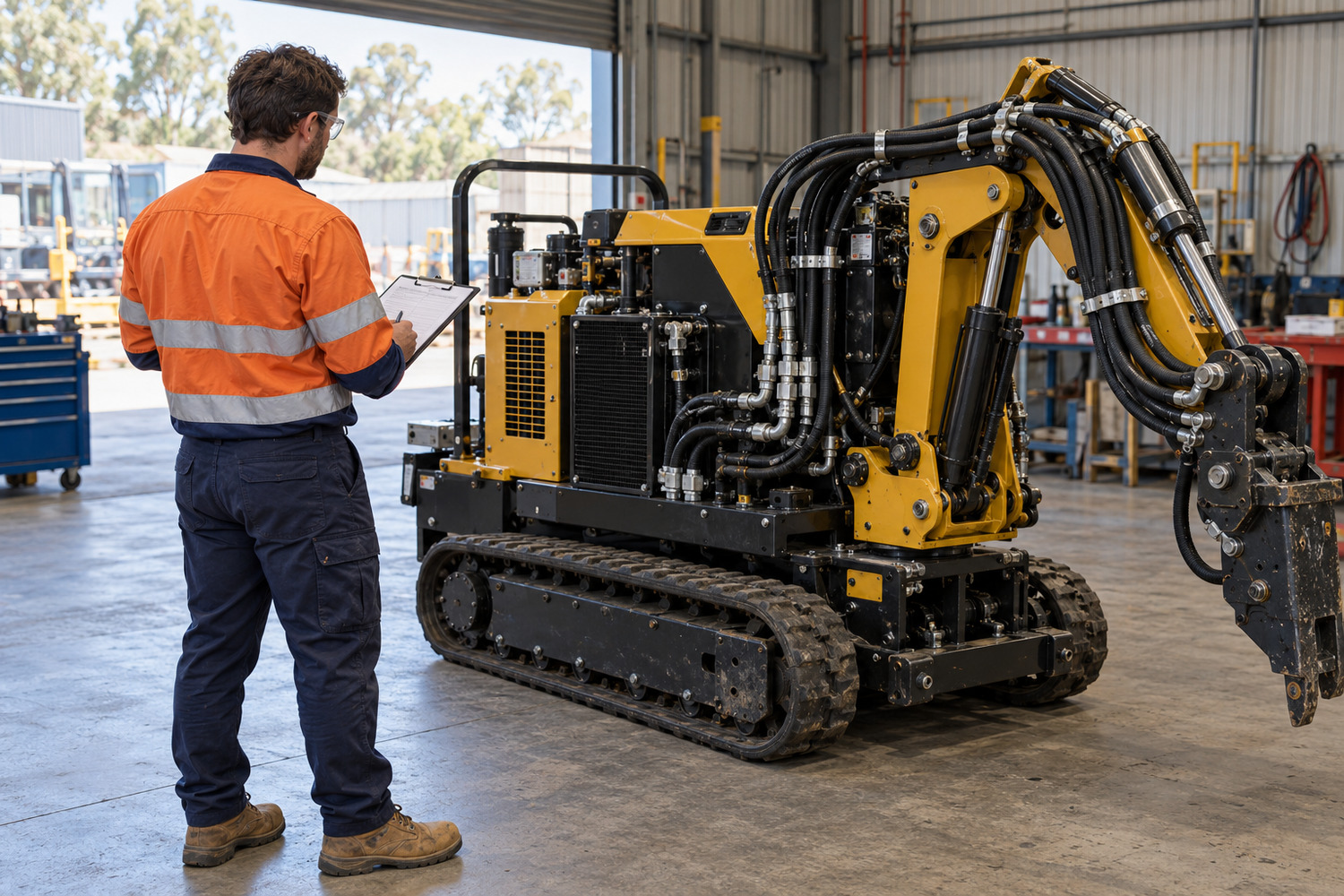
Give each assembly an identifiable record and a reason for its replacement requirements. Testing is a separate decision; how often to pressure test hydraulic hoses needs to be considered against the applicable equipment and assembly instructions.
For the first machine, record:
WorkSafe Victoria’s flexible-hose alert recommends an on-site hose register. It arose from dangerous-goods incidents and says the advice may apply more widely. A register is useful context for planning; that alert does not establish a universal hydraulic replacement age.
Fit the approved checks into the maintenance system people already use. Keep replacement findings with the record so the next decision has evidence behind it. Isolation and hands-on inspection remain work for competent people following the equipment and site procedures.
Ace Hoses can assess the hoses on one machine and recommend a replacement cycle. Bring the available records to that assessment, then update your own maintenance plan with the findings. Confirm the scope of any further work when arranging it.
There is no reliable single figure for all applications. Follow the relevant equipment and assembly instructions, with duty, age, condition and history assessed together.
Use condition checks alongside any applicable age limit. Damage can require earlier replacement, while looking sound does not justify extending a required retirement date.
Check markings and records, asking the manufacturer to interpret an unclear batch code. Keep manufacture, assembly and installation dates separate. Record unknown age honestly.
Unused hose can deteriorate. Its product instructions, storage conditions and age matter. A storage allowance does not establish how long it can work after installation.