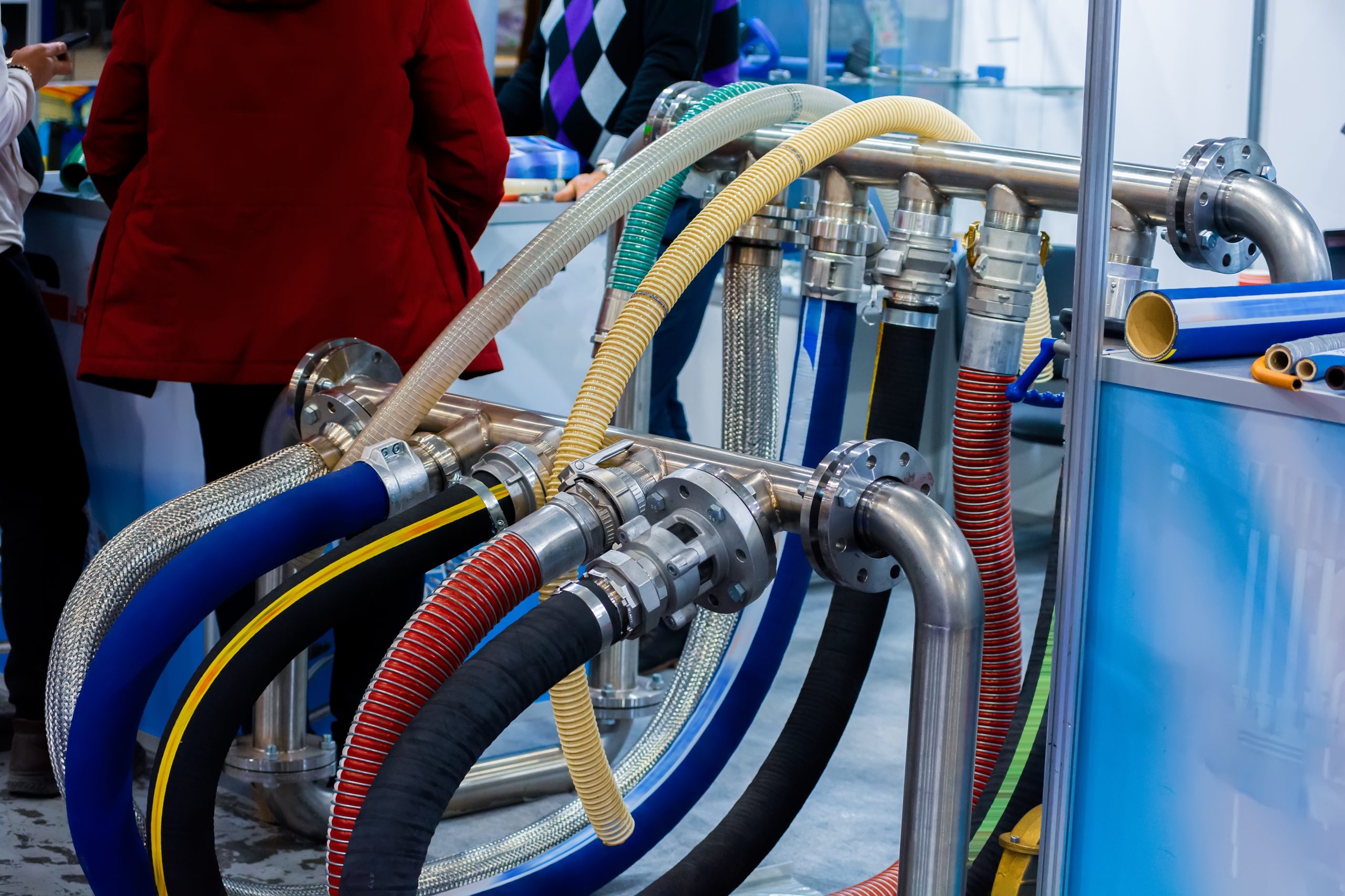
Custom Hydraulic Hoses for Industrial Equipment

A practical article for maintenance managers, workshop supervisors and procurement teams on why shelf stock hose assemblies fail in demanding service, and where custom hydraulic hoses reduce downtime, repeat call-outs and safety exposure.
A hose assembly can look interchangeable on a shelf. In service, it rarely is.

The pressure rating may seem close enough. The thread may appear to fit. The length may look workable. On production plant, mobile equipment and fixed hydraulic systems, those compromises are often where repeat failures begin.

Hydraulic hose failures tend to follow known patterns. Pressure spikes, excess heat, abrasion, poor routing, contamination, incorrect bend radius, thread mismatch and assembly errors all shorten service life. For Melbourne manufacturers and industrial operators, the safety context is well established. WorkSafe Victoria guidance on plant, stored energy and hose hazards makes clear that pressurised fluids, uncontrolled movement, poor isolation and unsuitable hose assemblies can expose workers and equipment to serious risk.

For maintenance managers, workshop supervisors and procurement teams, the issue reaches well beyond a failed hose. A poorly matched assembly can lead to repeated downtime, fluid loss, contamination, hose whip exposure, fire risk, emergency call-outs and damage to pumps, valves and cylinders. Once a hose lets go under pressure, the repair bill usually extends well beyond the replacement part.

Standard stock and the mismatch problem

Industrial hydraulic equipment is application-specific. The hose assembly needs to suit the machine’s operating pressure, pulse pattern, fluid type, temperature range, fitting standard, routing constraints and movement through the duty cycle. 

That is where standard stock assemblies often fall short. They are designed around general compatibility. Industrial equipment is not general. 

Where the mismatch usually starts

  • Pressure is only part of the job. A hose can meet nominal working pressure and still fail early under surge loads, pulsation or rapid cycling.
  • Thread fit is not enough. BSP, JIC, NPT and metric connections are not interchangeable simply because they can be wound together.
  • Length matters on the machine, not on the bench. Too short can load the hose in tension. Too long can introduce rubbing, snagging or kinking.
  • The environment changes service life. Heat, UV, washdown, vibration, dust and abrasion all affect performance.
  • Routing often decides the outcome. A hose that has to move through a tight articulation point or pass close to a bracket needs more than a rough visual match.

Manufacturers and regulators make the same point in different languageHose life is shaped by the whole operating environment, not one specification on a label. 

What a custom assembly changes

A custom hydraulic hose assembly is not simply a hose cut to length. Done properly, it reflects the operating conditions of the machine and the way the circuit fails in service. 

Issue Why it matters on plant 
Hose construction Braided and spiral hose types suit different pressure, flexibility and impulse demands 
Fluid and temperature compatibility Incorrect materials shorten service life and can damage the assembly from the inside out 
Fitting type and orientation Wrong ends create leaks, side loading and installation stress 
Routing constraints Tight spaces, moving structures and guards affect hose length, bend control and support requirements 
Abrasion exposure Protection and support can prevent cover wear and reinforcement damage 
Assembly quality Correct hose and fitting combinations, assembled to specification, reduce premature failures 

A well-specified assembly deals with the problems that tend to cause repeat work on site. 

The main gains from custom assembly work

  • better fit through congested or moving parts of the machine
  • fewer leak points where adaptors can be removed
  • lower stress at the coupling
  • improved control of bend radius and hose support
  • greater confidence that hose, fitting and assembly specification match the duty
  • less guesswork for the next maintenance team servicing the asset

For sites dealing with recurring hose failures, custom assembly work is usually less about convenience and more about restoring control over the maintenance cycle. For custom assemblies, fittings and replacement support, see the Ace Hoses hoses service. 
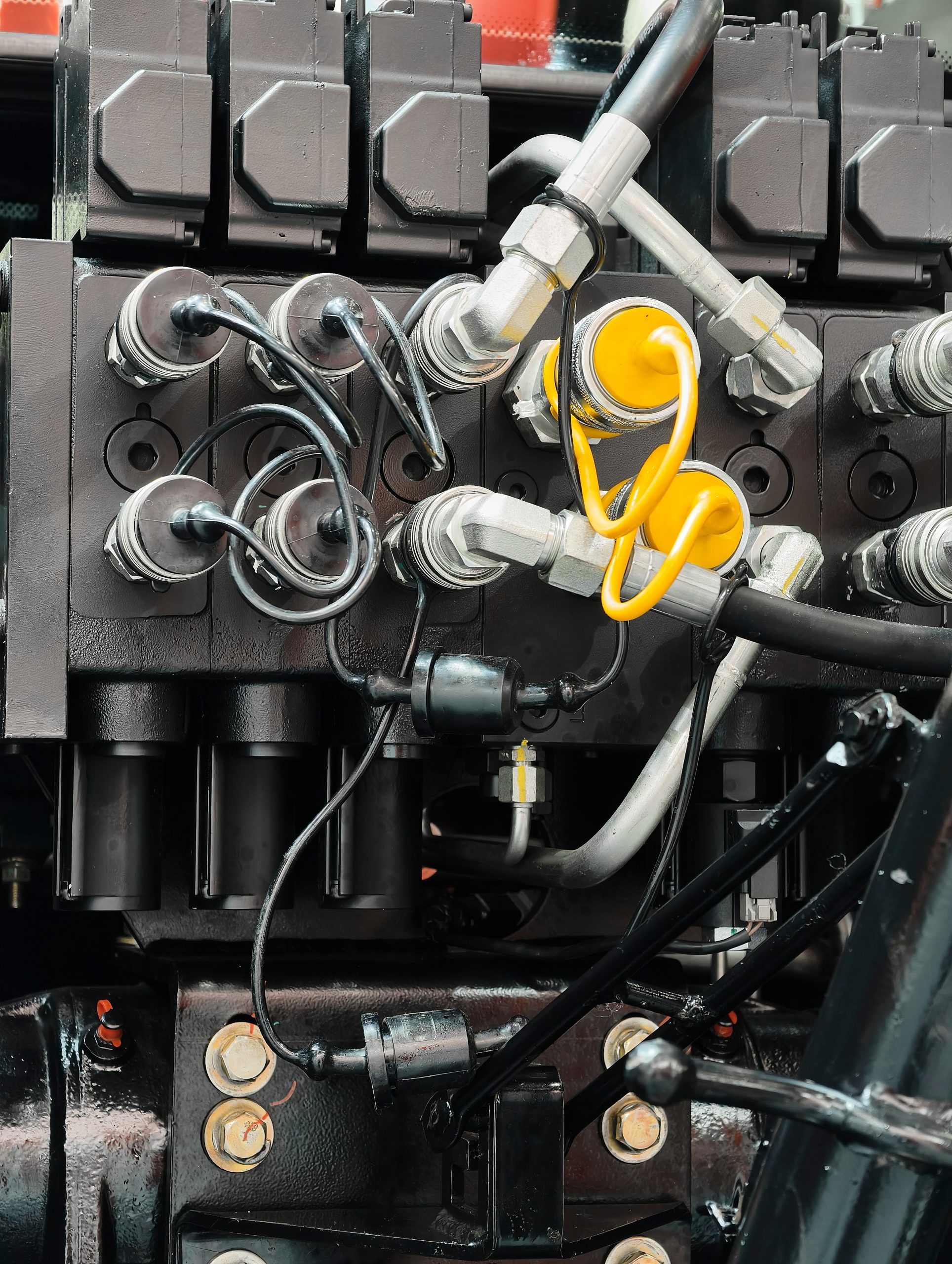
Industrial Hydraulic Hose

Common failure patterns on plant

This is where line managers tend to feel the cost of compromise. 

Burst at or near the coupling 

Common causes include: 

  • tight bend radius near the fitting
  • incorrect fitting angle
  • short hose length that places the assembly under tension
  • poor routing through moving plant
  • mismatch between hose and fitting specification
  • assembly errors or incorrect crimping

A failure at the coupling is often treated as bad luck. In many cases it points to the hose being asked to work outside the conditions it was assembled for. 

Cover abrasion that turns into structural damage

Many hose failures begin as routing failures. The hose rubs on guards, frames, brackets or adjacent hoses until the cover wears through. 

Typical contributors include: 

  • constant contact with a fixed edge
  • movement under vibration
  • lack of clamps or guides
  • poor separation from other components
  • inadequate protective sleeving where abrasion is unavoidable

Once the cover is gone, reinforcement is exposed to moisture, contaminants and mechanical damage. Failure risk rises quickly from that point. 

Leakage from thread or seat mismatch

This remains a common issue on mixed fleets, older plant and imported equipment. 

Frequent contributors include: 

  • confusion between BSP and NPT threads
  • incorrect seat angle
  • excessive adaptor use
  • overtightening during installation
  • reused or damaged fittings

The early signs are often dismissed as nuisance seepage. Over time, those small leaks turn into contamination, pressure loss, housekeeping problems and repeated labour spend. 

Twist introduced during installation

A twisted hose carries built-in stress from the day it is fitted. 

That can lead to: 

  • reduced fatigue life
  • abnormal bending under pressure
  • movement at the fitting
  • early failure close to the crimp
  • difficulty holding routing under machine movement

A hose may look acceptable on installation and still have its service life cut short because it was fitted under torsion. 

Heat and fluid mismatch

The wrong hose for the fluid or temperature range will not last. 

Problems often include: 

  • hardening of hose materials
  • reduced flexibility
  • degradation of seals
  • faster ageing of the cover and tube
  • elevated fire risk where leaks occur near hot surfaces or ignition sources

On high-duty equipment, the wrong material selection can cause damage long before the hose shows obvious external failure. 

The cost line managers feel first

The replacement cost of a hose is usually the smallest number in the event. The larger cost sits in production disruption, labour and the knock-on effect on surrounding components. 

A single failure can trigger: 

  • unplanned plant stoppage
  • lost labour during diagnosis and clean-up
  • oil loss and disposal costs
  • contamination of nearby equipment or product
  • out-of-hours call-out charges
  • replacement of fittings and adaptors
  • damage to pumps, valves or cylinders
  • incident reporting and safety follow-up

WorkSafe Victoria’s guidance on working on energised plant and plant isolation is relevant here for another reason. Hydraulic systems carry stored energy. If that energy is not isolated and controlled during maintenance or repair work, the risk extends beyond fluid loss to uncontrolled movement, crush hazards and serious injury exposure. 

When a custom replacement should be the default

There are plenty of cases where a shelf substitute only preserves the original problem. A custom assembly should be the preferred option when any of the following conditions apply. 

  • The same hose has failed more than once
    Repeat failure usually means the root cause was not addressed. Replacing like for like without reviewing routing, fitting angle, operating temperature, support and system pressure often leads to another breakdown.
  • The machine has mixed fitting standards
    Older fleets, imported equipment and modified machinery commonly carry a mix of thread systems and adaptors. That raises the risk of leaks, installation errors and unnecessary joints.
  • Routing space is tight or awkward
    Hoses running through guards, articulation points, crowded manifolds or moving booms need more careful control of length, bend radius and support.
  • The hose sits in a harsh environment
    Where the assembly is exposed to abrasion, vibration, heat, chemical splash or washdown, stock lines can become a false economy.
  • The asset is critical to production
    Critical assets deserve controlled replacement decisions. If a hose failure can halt a production line, delay dispatch or take a key machine out of service, approximation is expensive.
  • A burst would create a broader safety problem
    WorkSafe Victoria has issued specific warnings on high-pressure hose whip and on unsuitable flexible hose assemblies. Where a burst could expose workers to pressurised fluid, sudden hose movement or ignition risk, the standard of selection and installation needs to be correspondingly higher.

Questions procurement should ask before sign-off

Buyers do not need to build the hose assembly themselves, but the right questions help prevent repeat spend and repeat downtime. 

Useful checks before approval 

  • What is the real operating pressure and surge profile of the circuit?
  • Is the hose suitable for the fluid and temperature range?
  • What fitting standard is on each end?
  • Does the route require angled fittings?
  • Is current hose length contributing to stress or abrasion?
  • Is there evidence of twist, kinking or minimum bend radius breach?
  • Does the assembly need protection, support or rerouting?
  • Does the failed hose point to a broader system issue, such as relief valve problems, contamination or uncontrolled movement?

These are not technical extras. They are basic commercial controls that reduce the chance of buying the same failure twice. 

Inspection, testing and isolation still matter

A custom hose assembly improves fit and reliability, but it does not remove the need for inspection. Hoses remain wear items in demanding service, and the system around them still needs to be checked. 

For industrial sites, that means looking beyond the failed hose itself and checking: 

  • adjacent hoses for abrasion or heat exposure
  • clamps, guides and guards
  • fitting condition and thread integrity
  • signs of contamination around the circuit
  • evidence of hose movement under pressure
  • whether stored hydraulic energy has been isolated before work begins

WorkSafe Victoria’s plant guidance is clear on stored energy. Fluids under pressure, including hydraulic oil, remain a hazard during maintenance and repair work. Isolation, lockout and tagout are part of the job, not an administrative step around it. 

Building hose reliability into maintenance planning

The strongest maintenance programs do not treat hoses as isolated consumables. They manage them as part of the hydraulic system. 

That usually involves: 

  • recording repeat hose failures by asset and location
  • checking whether the issue is hose selection, routing or system condition
  • reducing unnecessary adaptors
  • reviewing support and guarding
  • linking hose failure history with contamination and cylinder wear events
  • setting inspection intervals based on operating duty and asset criticality

This is where custom assemblies earn their place. They reduce compromise at installation, improve fit on the machine and support a maintenance strategy focused on reliability rather than emergency response. 

Questions that come up in workshops and plants

It is a hose assembly selected and built to suit the machine’s pressure, fluid, temperature, fitting and routing requirements rather than taken from general stock. 

Common causes include tight bend radius, wrong fitting angle, short hose length, poor routing, twisting during installation and incorrect assembly specification. 

Yes. A failed hose can release fluid under pressure, create hose whip hazards, contaminate the area around the machine and increase the risk of uncontrolled movement during maintenance if stored energy has not been isolated. 

Yes. Inspection remains essential. Replacement should also prompt checks of routing, support, surrounding components and the broader condition of the circuit. 

They often involve mixed thread standards, legacy adaptors, non-standard routing and modifications made over years of service. 

When there is repeat failure, clear abrasion, reinforcement exposure, leakage at the fitting, heat damage, twist, poor routing or evidence that the existing hose is not suited to the service conditions. 

Shelf stock has a place in general supply. On industrial hydraulic equipment, it is often too blunt an answer for a specific operating problem. 

For maintenance and procurement teams, the message is straightforward. Hose assemblies should be selected as part of system reliability, not treated as low-value consumables. The right hose type, fittings, length, routing and assembly standard reduce downtime, lower risk and improve service life where it matters most. 

TRADING HOURS

Monday - Friday
8 AM - 4:30 PM
Saturday
8:30 AM - 12:30 PM
Sunday
CLOSED
On-Site
24 Hour Service
© Copyright Ace Hoses 2026 All Rights Reserved