
A failed hydraulic hose rarely exists in isolation. In many cases, it is simply the first visible sign that a system has been operating under strain for some time.
Maintenance teams reviewing failures often find a familiar set of contributing conditions, including:
Individually, these factors may not cause immediate problems. Combined, they can turn an otherwise suitable hose into a failure point.
This is why hydraulic hose repairs are now more frequently followed by broader inspection and discussion, rather than being treated as a one-off fix.
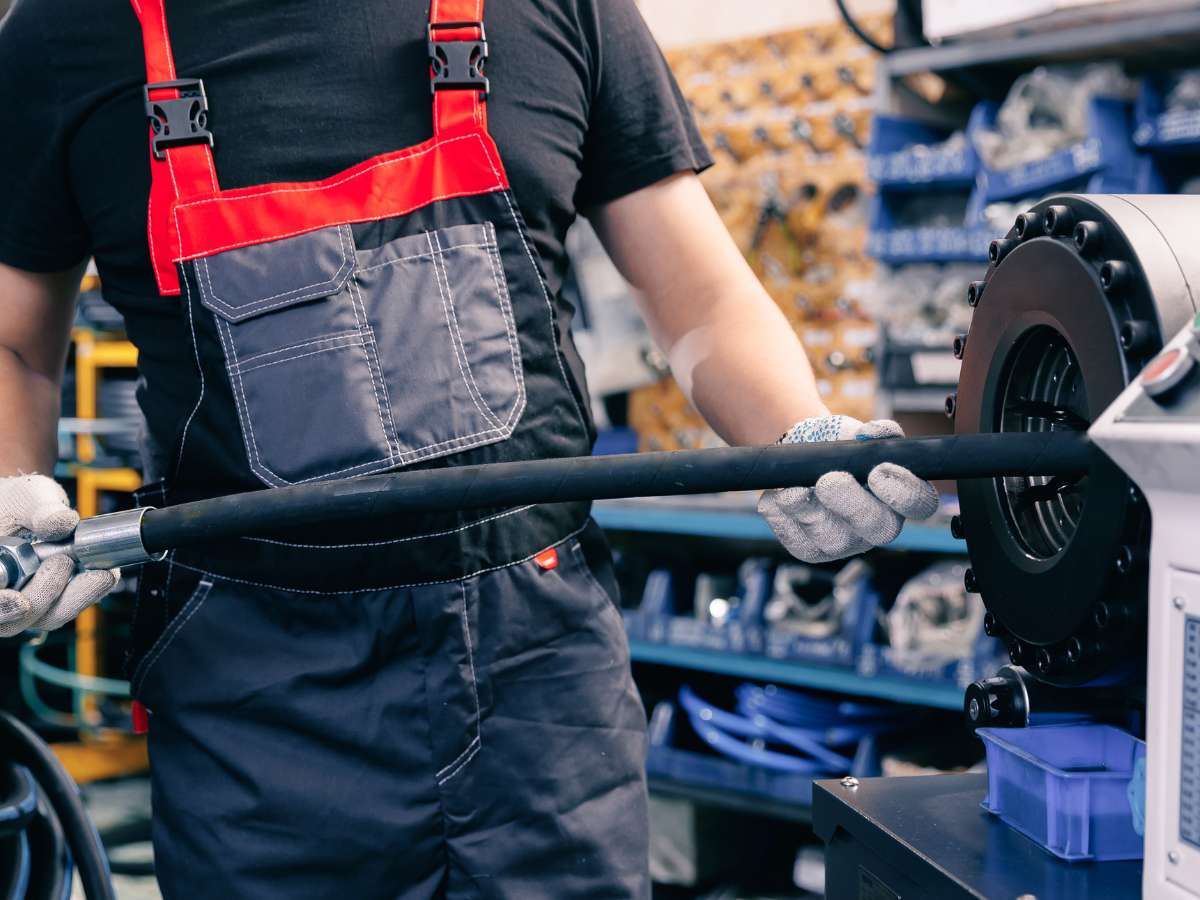
Downtime still matters. When a machine stops, production schedules are disrupted and costs add up quickly. But it is no longer the only consideration when a hydraulic hose fails.
Depending on the setting, a single failure can also lead to:
While operating conditions vary widely, certain contributing factors appear repeatedly when hydraulic hose failures are examined after the fact.
| Contributing factor | Why it matters |
|---|---|
| Hose routing constraints | Tight bends and contact points increase fatigue |
| Temperature exposure | Heat accelerates hose degradation |
| Pressure spikes | Short bursts above rated pressure weaken assemblies |
| Installation limitations | Space restrictions affect hose movement |
| System contamination | Particles damage internal hose linings |
These issues are rarely obvious during normal operation. In many cases, they only become visible once a hose has already failed.
Another area attracting closer attention is repeat failure. When a hose fails again weeks or months after being replaced, it is often written off as bad luck or harsh operating conditions.
Closer inspection frequently tells a different story.
Repeat failures are often linked to decisions made during the repair process itself, such as:
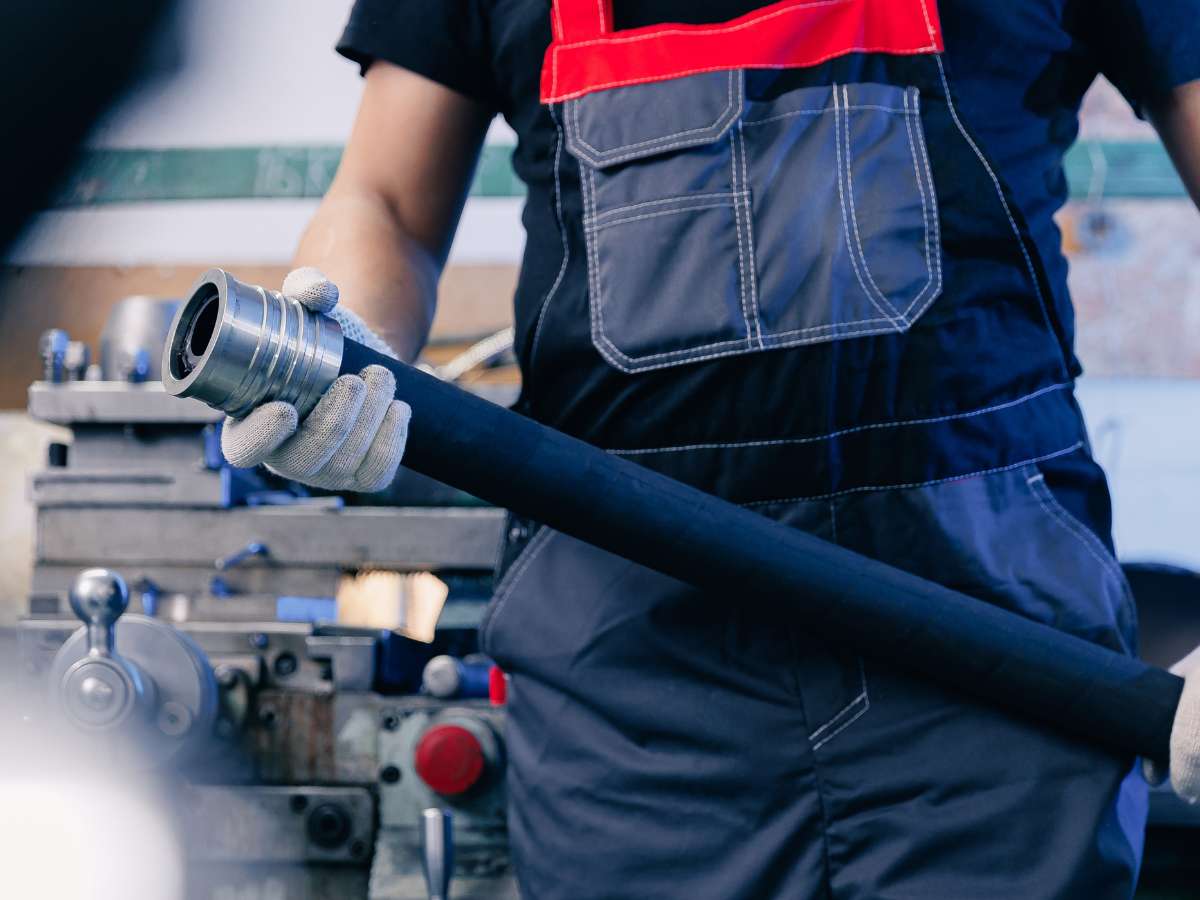
Hydraulic hoses are no longer seen as passive components that simply carry fluid from one point to another. They are recognised as active parts of a working system, constantly responding to pressure, movement and environmental conditions.
This broader understanding is influencing how repairs are approached, including:
The focus is shifting away from how quickly a hose can be replaced and toward how reliably the system operates once it is back in service.
It is a quieter change than a new regulation or technology shift, but it reflects a more measured approach to maintenance across many industries.
Unexpected failures are often linked to pressure spikes, heat exposure, abrasion or routing constraints that develop gradually over time.
They can be, particularly when failures involve oil release, safety hazards or critical equipment downtime.
Yes. Even correctly rated hoses can fail if they are installed incorrectly or exposed to unsuitable operating conditions.
Repeat failures are often caused by unresolved system issues such as vibration, misalignment or temperature stress.
Downtime is significant, but secondary impacts such as clean-up, inspections and follow-on damage can be just as costly.
Many businesses now review hose failures to identify patterns and reduce the likelihood of future incidents.