
Hydraulic systems are the muscle behind much of Australia's heavy machinery. They operate under extreme pressure, transmitting immense power through fluids and hoses. This constant stress means that, over time, components naturally wear. Seals degrade, metal parts fatigue, and hoses harden or crack. Without regular attention, these small degradations inevitably lead to larger, more disruptive failures. Preventative hydraulic maintenance Melbourne operations adopt isn't about fixing what's broken; it's about stopping it from breaking in the first place.
Regular inspections and servicing catch issues when they are minor, allowing for planned, controlled maintenance rather than emergency repairs. This approach ensures hydraulic systems run efficiently and reliably, reducing the chance of unexpected equipment stoppage. It’s a strategy focused on keeping your machinery performing safely and effectively, directly supporting consistent operational output.
A hydraulic hose rarely fails without some kind of precursor. Learning to spot these signs early can save you from a complete system collapse and costly downtime. Many indicators are visible, if you know what to look for:
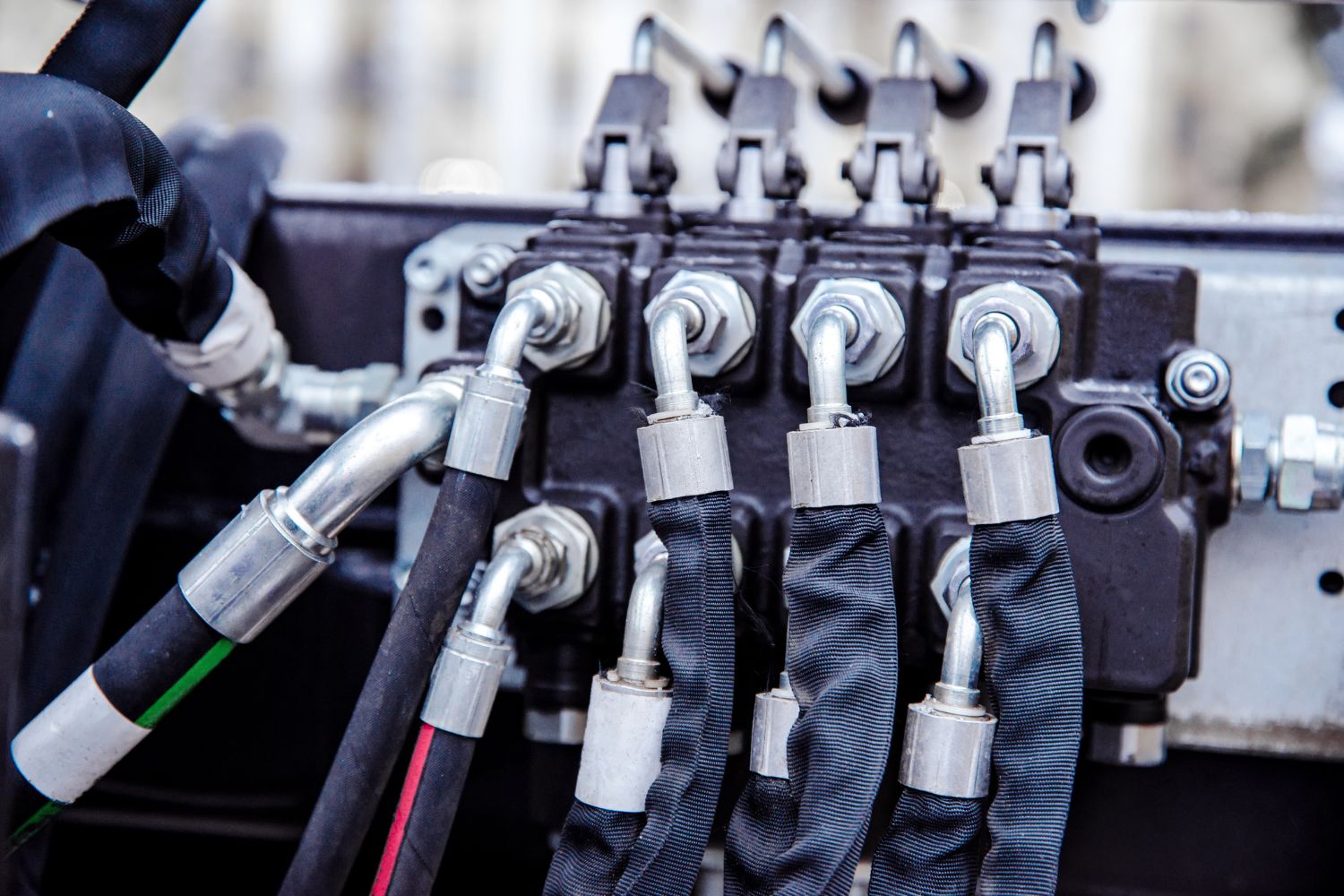
Spotting these issues early allows for scheduled intervention, keeping minor concerns from becoming major headaches. Addressing these signs quickly keeps minor concerns from becoming major headaches.
Guessing at the health of a hydraulic hose is a dangerous game. This is where hydraulic pressure testing becomes indispensable. A hose that looks fine on the outside might have internal damage, ready to rupture at peak operational pressure. Pressure testing services identify these hidden weaknesses, pushing a hose to its specified limits in a controlled environment.
This process ensures that hose assemblies meet necessary safety standards and can withstand the operational pressures they will face. It's a critical step in verifying the integrity of new hoses before installation and assessing older hoses during maintenance checks. Regular pressure testing helps prevent unexpected failures, safeguarding equipment, personnel, and production schedules. It is a fundamental practice for any comprehensive hydraulic hose maintenance program.
The hose itself is only one part of the hydraulic circuit. The connections—the fittings, adapters, and couplers—are just as important for system integrity and preventing hydraulic failure. An incorrectly chosen fitting, or one that’s improperly crimped or torqued, becomes a weak point. It can lead to leaks, pressure drops, or even catastrophic separation.
Ace Hoses understands that selecting the correct fitting for the specific hose and application is vital. We ensure compatibility between hose type and fitting material, thread, and crimp specifications. Beyond hoses and fittings, general hydraulic maintenance Melbourne businesses require includes regular checks of other components like cylinders. Leaking hydraulic cylinders, for instance, can lose efficiency and power. Services like hydraulic cylinder resealing extend the life and efficiency of these critical components, preventing system contamination and maintaining overall hydraulic performance.
| Feature | Reactive Maintenance | Proactive Maintenance |
|---|---|---|
| Timing | After failure occurs | Scheduled before failure |
| Cost | Higher (emergency repairs, lost production) | Lower (planned, prevents larger damage) |
| Downtime | Unpredictable, extended, costly | Predictable, minimal, scheduled |
| Safety | Increased risk of injury/damage | Enhanced safety, fewer surprises |
| Equipment Lifespan | Shortened | Extended |
| Operational Control | Low | High |
Ace Hoses supports this through timely repairs and readily available on-site service. Our mobile service vehicle can be dispatched to your location across Melbourne for urgent issues, getting equipment back into service quickly. This means less time waiting, and more time working. By scheduling inspections and addressing potential weaknesses before they escalate, businesses keep their operations running smoothly, saving both time and money.
Whether you need a full hydraulic system check, precise pressure testing, or expert cylinder reseals, our experience means you receive dependable solutions. Our mobile service ensures that expert help is often just a phone call away, ready to address issues directly on your site, reducing travel time and getting you back to work.
If you are looking to protect your equipment from unexpected failure and ensure continuous operation, contact Ace Hoses today to discuss your hydraulic inspection and maintenance needs.
The hose is safely isolated and technicians recommend replacement.